Eating meat is a vast industry. It’s worth over 1.5 trillion dollars, and 340 million tons of meat are consumed annually worldwide. While switching to veganism may be much better for the environment, it’s not an option for some. Various reasons, from health conditions to just being a picky eater, can make it difficult to make a dramatic shift in your eating habits. However, as someone who actively participates in this industry, I believe that it’s necessary to be aware of the negative effects of meat consumption.
One of the largest impacts of meat consumption is its greenhouse gas production. According to Stanford, livestock production accounts for 18% of all greenhouse gas emissions, 9 percent of carbon dioxide emissions and 37 percent of methane gas emissions worldwide. In addition to the contribution to climate change, fertilizer and manure often end up in nearby bodies of water when it rains, which contributes to overall dirtier water. Finally, raising certain cattle is a lead cause of deforestation, with 75% of deforestation due to agriculture.
In addition to the direct impact on the environment, the conditions the animals face tend to be very poor. The most cost-efficient way to mass produce meat is to hold the animals in concentrated animal feeding operations, or CAFOs. CAFOs tend to confine each animal in a holding cell just large enough that the animal is able to stand still. Due to the tight spaces, the animals can suffer from mental and physical problems, oftentimes purposely inflicting pain on themselves and others due to extreme stress and boredom.
Some of the inhumane tactics used on the animals are dehorning, where the horns on goats and cattle are either cut off with a bone saw or, if not fully formed, removed using chemical or burning means. This procedure is done to reduce injury to handlers and other animals, and can cause the cattle or goat pain for months after the procedure. Another invasive technique used is beak trimming, where one to two-thirds of a chicken’s beak is removed by a hot blade or high-intensity infrared light. This method is done to reduce pecking at the chicken’s feathers or at other chickens due to stress. These, and many other dangerous tactics drastically decrease an animal’s quality of life.
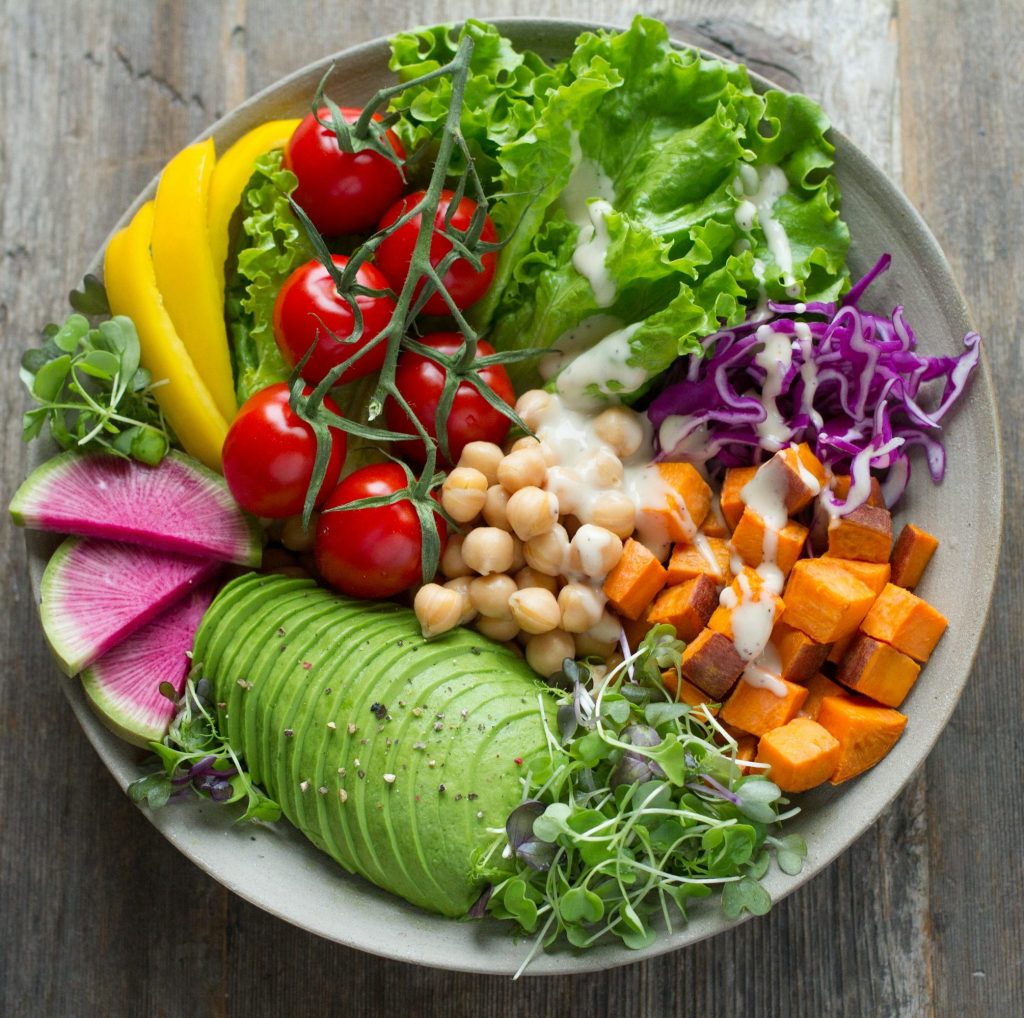
Here’s one thing you can do to help: If you’re interested in starting a vegan diet, but you feel overwhelmed, start by gradually introducing plant-based meals into your diet. Try alternatives such as plant-based milk or the impossible burger. If you feel that this diet isn’t for you, no worries! You can try being a vegetarian instead, or help the environment in different, non food related ways.
 Eco-Lizzie
Leave a comment