
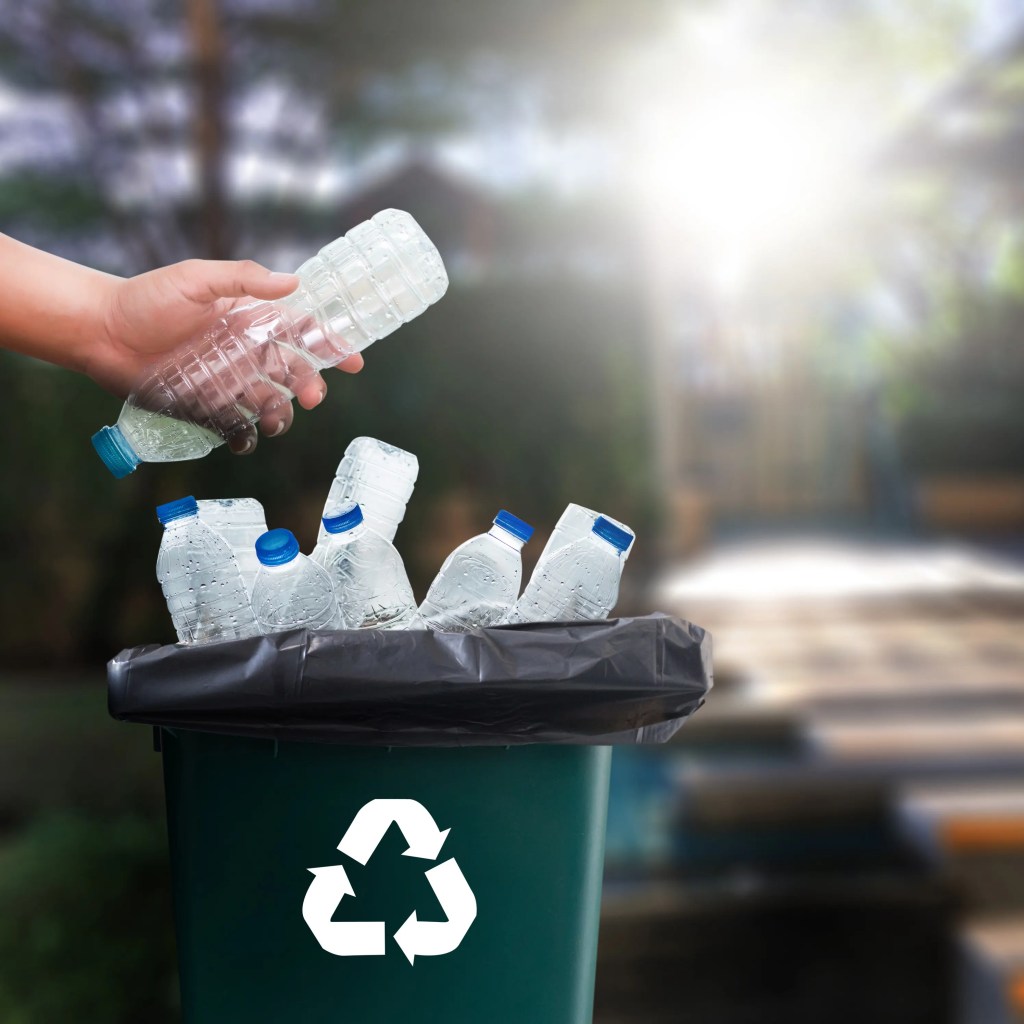
Have you ever been eating at a restaurant and, after eating, stood at the trash cans for a solid 30 seconds wondering what to recycle? I definitely have. As someone with a pretty bad memory, I find it very difficult to remember what should be recycled and what shouldn’t be. Here’s a list of what you should recycle and what should be thrown out, according to the U.S. Environmental Protection Agency:
Recycle:
- Aluminum cans without liquid in them. If it has liquid other than water, empty it and rinse it before recycling. If it just has water, just empty it first.
- newspapers/magazines
- Empty cardboard boxes
- Mail, including plastic envelopes
- Paper and cardboard food containers that are emptied out
- Glass
- Aluminum foil without food
Throw out:
- Aluminum foil with food on it
- Gift wrap
- Plastic cups and containers with food
- Plastic utensils
- Broken glass
- Used diapers
Can be recycled at a specialty recycling location:
- Batteries
- Styrofoam
- Electronics
- Paint (But if it’s usable, donate it to your local school! As someone in the set design crew in our theater department, we would really appreciate it!)
- Thermometers
- Light bulbs
Other:
- Food (While this cannot be recycled, throwing food out is not optimal for the environment. The best method of food disposal is composting)
In addition to this guide, some types of plastics can be recycled, while some cannot. On the back of plastic products and containers, a symbol of a recycling symbol with a number inside can be found. This indicates whether or not you can recycle this product. Here’s how to recycle each type of product according to oceana.org:

- Recycle normally
- Recycle normally
- Some recycling places accept this, but do not recycle normally
- Some recycling places accept this, but do not recycle normally
- Recycle normally
- No, throw away
- It depends, research what plastic your local recycling place accepts before recycling
Here’s one thing you can do to help: Look into composting as a food disposal method instead of throwing it away. It’s much better for the environment then just throwing it away, and it improves soil health and carbon emissions!
 Eco-Lizzie
Leave a comment