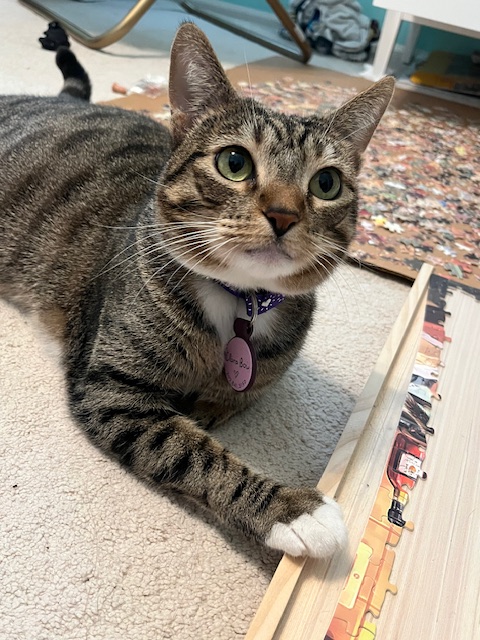
My cat is one of my favorite things in the universe, and if you are a pet owner as well, chances are you share this sentiment. Pets provide some of the most essential things that humans need: companionship, happiness, and endless affection and love. However, pet ownership can come at a cost to the environment. According to a study published in 2017, feeding pets in the U.S. produces 64 million tons of carbon dioxide, which is the equivalent of 13.6 million cars. Also, pets are responsible for 25% of the world’s meat consumption.
Relinquishing pet ownership is not the solution, however. Not only is this unrealistic, but having pets, especially cats living outside is part of the problem. In a 2020 NIH study, 28 out of 55 outdoor cats interacted with other cats, spreading feline diseases. Because approximately 30% of cats are unvaccinated, the feline diseases had fatal consequences. Another risk of having outdoor cats is their natural hunting instincts. If you have a cat, you have probably observed them stare out the window at a bird, or you might have even received a dead mouse as a present. If left to roam outdoors, cats can cause massive deaths in animals such as mice and birds. While it’s difficult to predict the exact number of deaths associated with outdoor cats, the NIH estimates that outdoor cats cause anywhere from 6.3 and 22.3 billion mice deaths and between 1.3 and 4 billion bird deaths annually in the US. Mice and birds are both crucial for the environment, as they both help spread seeds through foraging, which increases plant diversity. Birds act as natural pest control for small, invasive insects, and mice help enrich soil through their burrowing activities.
- Here’s what you can do to help: If you own an outdoor cat, try to limit the amount of time they spend outdoors if possible. If you have an indoor cat or dog, you can purchase eco-friendly food. You can also look into biodegradable bags for scooping up litter or waste as an alternative to plastic ones.
 Eco-Lizzie
Leave a comment